
Alcohol-related peripheral neuropathy: a systematic review and meta-analysis

Alcohol and poor nutrition injure sensory, motor, and autonomic nerves, leading to pain, numbness, weakness, and problems with body functions like digestion and blood pressure. Alcohol-related neuropathy is nerve damage from years of heavy drinking and poor nutrition. Stopping alcohol and getting treatment early may help you recover and prevent worsening symptoms. A longitudinal study of nerve conduction velocity in children who had prenatal exposure to greater than 2 oz. Of absolute alcohol per day also confirmed the neurotoxicity of alcohol to peripheral nerves.46 Seventeen exposed children were compared with 13 non-exposed children at birth and again at 12–14 months of age.
Fibromyalgia and Sleep

Normally, the liver releases glucose into the bloodstream to keep blood sugar levels stable during fasting or between meals. However, alcohol metabolism takes priority in the liver, suppressing glucose release and increasing the risk of hypoglycemia (low blood sugar). It can also be caused by other health conditions, viral or bacterial can alcohol cause neuropathy infections, or some medications.
How to Sleep With a Cough or a Cold

For the most part this review consists of non-interventional studies for which generally accepted tools to evaluate risk of bias are not available. To assess the bias in these we applied the Jadad score which takes into consideration quality of randomisation and blinding as well as reporting of withdrawals to assess bias in RCTs 9. All RCTs that were included As well as this, where interventional studies are cited a clear description of their design is in text to allow the reader to evaluate that articles risk of bias. Sometimes hand numbness is a symptom of a more serious medical condition.
Diagnosing Burning Feet
Instructively, individuals with neuropathy should prioritize nerve health by eliminating or significantly reducing alcohol intake. Adopting a nutrient-rich diet, staying hydrated, and incorporating nerve-supportive supplements under medical guidance can aid in managing neuropathy. Consulting a healthcare professional is essential to develop a personalized plan that addresses both alcohol consumption and nerve health. By avoiding alcohol, individuals can protect their nerves, alleviate symptoms, and improve their overall quality of life.
- Symptoms may include numbness and tingling in the limbs, muscle weakness, and loss of mobility.
- However, researchers have found that consuming too much alcohol for long periods of time can damage the peripheral nerves.
- Drinking too much – on a single occasion or over time – can take a serious toll on your health.
- Alcohol can affect behaviors that increase the likelihood of acquiring or transmitting HIV to others.
- Finally, one study examined the strength-duration time constant (SDTC) and rheobase in median nerves of those with alcoholic peripheral neuropathy 69.
None had reliable methods to objectively assess for thiamine deficiency. Unexplained bruising on the legs can occur in both adults and children due to a variety of factors, including injury, age, an underlying health condition, or even things like medication. A person should speak with a doctor if they are experiencing any symptoms of alcoholic neuropathy or if they are concerned about their alcohol use. Alcoholic neuropathy refers to nerve damage resulting from chronic heavy alcohol use. Symptoms may include numbness and Alcohol Use Disorder tingling in the limbs, muscle weakness, and loss of mobility.
- Peripheral neuropathy symptoms often include numbness, tingling, burning sensations, weakness, or pain in the hands and feet.
- Inflammation plays an underappreciated role in making neuropathic symptoms worse.
- Early neuropathy intervention prevents permanent nerve damage, reduces chronic pain, and maintains quality of life by addressing root causes before irreversible changes occur.
- Alcohol interferes with the brain’s communication pathways and can affect the way the brain looks and works.
A symmetric “stocking” pattern on both sides often suggests a whole-nerve issue. Choosing lower-carb options like dry wine or straight spirits mixed with calorie-free beverages reduces sudden sugar spikes but does not eliminate other risks tied to excessive drinking. Not all alcoholic beverages affect diabetics equally; understanding their carbohydrate content helps manage intake better.
At Advanced Foot & Ankle, Dr. Matt Wettstein provides expert evaluation and personalized care focused on pain relief, pressure reduction, and ulcer prevention so you can stay active and protect your feet. Most patients are back on their feet the same day, and these treatments can significantly improve both symptoms and appearance. In addition, swelling of the parotid gland may be a result of chronic alcohol use. High pressure within the venous system in the liver leads to high pressure in the venous system elsewhere in the body including the veins around the umbilicus (belly button). Research shows that extensive bruising can arise among alcoholics because of scurvy, caused by a severe deficiency of vitamin C.
Additional Common Questions
There are different types and causes of neuropathy that can lead to burning feet syndrome. Changes in muscle strength or sensation usually occur on both sides of the body and are more common in the legs than in the arms. The goal is to confirm nerve damage, rule out other treatable causes, and identify how much alcohol use is contributing. Symptoms usually affect both sides of the body and progress slowly over months or years.
These symptoms arise from peripheral nerve damage disrupting normal nerve signaling. It can be caused by infections, injuries, toxins, nutritional deficiencies, and other medical conditions unrelated to blood sugar levels. Many people experience nerve damage from these alternative causes. Neuropathy refers to damage or dysfunction of the peripheral nerves, which connect the brain and spinal cord to the rest of the body. While diabetes is a well-known cause of neuropathy, it is not the only culprit.
A painful burning sensation in your feet — which you may hear referred to as burning feet syndrome or Grierson-Gopalan syndrome — may be caused by many different medical conditions. One of the most common causes is nerve damage in the legs, also called neuropathy, which often develops in people with diabetes. Most burning feet treatments focus on preventing further nerve damage and reducing pain. Peripheral neuropathy happens when the nerves that are located outside of the brain and spinal cord (peripheral nerves) are damaged.
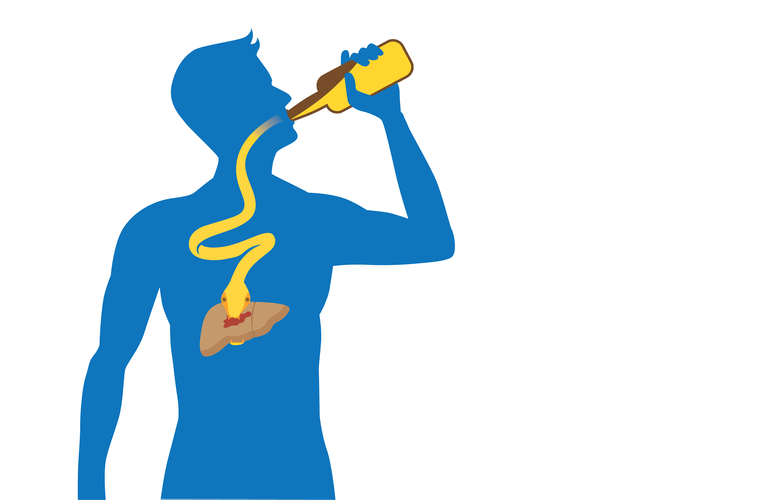
This cycle can make neuropathy symptoms more unpredictable and difficult to manage. Excessive alcohol consumption can damage the liver, an organ essential for regulating blood sugar. Liver damage impairs glucose control and increases the risk of dangerous complications in diabetics, including worsened hypoglycemia and medication toxicity. A doctor may diagnose a person with alcoholic neuropathy, if alcohol use has damaged the peripheral nerves. People who drink heavily on a regular basis are at risk of developing this condition. Chronic alcohol consumption worsens neuropathy by directly damaging nerves and causing nutritional deficiencies.
Alcohol affects blood sugar levels in complex and often unpredictable ways, especially for people with diabetes. When a diabetic drinks too much alcohol, their blood sugar can either spike or plummet dramatically. This happens https://ecosoberhouse.com/ because alcohol interferes with the liver’s ability to regulate glucose production.